


Japanese Knotweed and Invasive Plant Species Support for Architects
Japanese knotweed and other invasive plant species can affect far more than the landscaping strategy for a development.
Their presence may influence the position of buildings, foundations, drainage, access roads, retaining structures, service corridors, external levels, public realm and the movement or reuse of soil across the site. Where these issues are identified late, architects and design teams can be left managing redesigns, planning complications, contractor queries, additional costs and avoidable disruption during construction.
Japanese Knotweed Control supports architectural practices and multidisciplinary design teams across the UK and Ireland from early feasibility and planning through to technical design, tender, construction and long-term monitoring.
We provide specialist Japanese knotweed and invasive plant species, or IPS, surveys, constraints mapping, management plans, remediation strategies, biosecurity planning and on-site treatment solutions. Our recommendations are developed around the intended use of the site, the wider design and the construction programme rather than treating invasive species as an isolated landscaping issue.
The objective is to give architects clear, practical information early enough to protect design intent, programme certainty and the commercial objectives of the project.
Specialist Invasive Plant Species Support for Architectural Teams
Japanese knotweed is often the best-known and most commercially significant invasive plant found on development land, but it is rarely the only species that may require consideration.
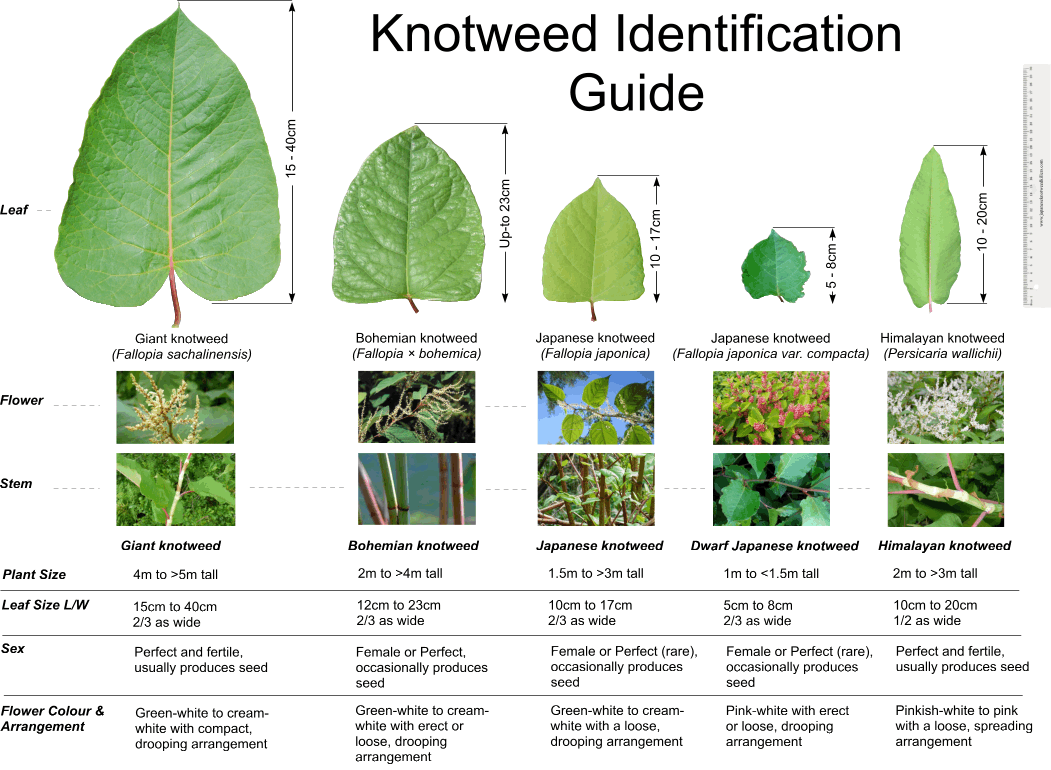
Depending on the site, architects may also encounter giant knotweed, Bohemian knotweed, Himalayan knotweed, giant hogweed, Himalayan balsam, invasive bamboo, rhododendron, cherry laurel and aquatic invasive plants. Each species creates different constraints and may require a different survey, management or remediation response.
Giant hogweed can present a serious health and safety risk. Himalayan balsam may affect river corridors and ecological management. Bamboo can spread beneath paving, boundaries and structures.
Rhododendron and cherry laurel may influence woodland clearance and habitat restoration. Invasive aquatic species can affect wetlands, attenuation ponds, drainage infrastructure and sustainable drainage systems.

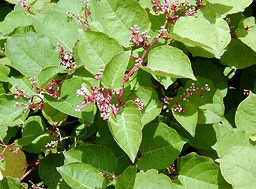

For the architectural team, the core challenge is not simply identifying the species. It is understanding how the infestation interacts with the proposed development and what needs to change, be protected or be managed as a result.
We provide coordinated IPS support that can be integrated with the work of architects, engineers, ecologists, landscape architects, planning consultants, quantity surveyors, project managers and contractors. This creates a single, structured strategy rather than a series of disconnected reports or specialist appointments made at different stages of the project. We can also work directly with property developers managing Japanese knotweed risks to ensure the strategy supports the site’s commercial and construction objectives.
Engineering teams can find more information about surveys, remediation design and construction coordination through our invasive plant species support for building and civil engineers.
Why Early Invasive Species Advice Matters
Invasive plant species are often treated as a site-clearance issue to be dealt with once planning has been secured and a contractor is preparing to start work.
By that stage, many of the decisions that influence remediation cost and practicality may already have been fixed.
A proposed building footprint may sit across affected ground. A service trench may cut directly through the likely rhizome zone. A drainage route may conflict with a proposed root barrier
The only suitable area for on-site containment may have been allocated to landscaping, parking or a future phase. Access for screening or excavation machinery may no longer be available once the site logistics plan has been agreed.

These are not problems that can always be solved through a simple treatment programme.
The chosen remediation method may require working space, temporary storage, access routes, machinery movements, long-term exclusion zones or changes to the sequencing of enabling works. If these requirements are not considered until tender or construction, the development may face late design changes, additional soil disposal, contractor claims, delays to groundworks or conflict between the remediation strategy and the technical design.
Early specialist involvement gives the design team a wider range of options.
It may be possible to adjust a layout before planning, move a non-critical service route, retain a suitable containment area, incorporate a root barrier into the design or coordinate screening with the cut-and-fill strategy. These decisions are far easier and less expensive to make before construction information is complete.
The purpose of early IPS advice is therefore not to create another layer of complexity. It is to reduce uncertainty while there is still time to make informed decisions.
Understanding the True Extent of an Infestation
Visible growth is not always a reliable indication of the full area affected by Japanese knotweed.
The plant spreads through an underground rhizome system which may extend beyond the visible canes and leaves. The distribution can be made more difficult to interpret where the site has previously been cleared, cut, excavated, filled, fly-tipped or disturbed by earlier construction work.
Material may also have been moved around the site before the current project began. A small visible stand may therefore be connected to a much larger area of affected ground, or separate outbreaks may have been created through historic soil movement.
For architects, this uncertainty matters because the true development constraint is not simply the point at which the plant can be seen above ground.The potential interaction between the infestation and the proposed works must also be considered. Affected soil may sit beneath proposed roads, paths, car parks, building footprints, retaining walls, drainage features, public realm or service corridors. Temporary works and contractor access may introduce additional risks if the affected areas are not clearly mapped and controlled.
Our surveys are designed to convert the biological issue into practical information the design team can use.
Rather than providing a generic statement that knotweed is present, we consider the likely extent, signs of previous disturbance, proximity to proposed works, possible routes of spread and the additional investigation that may be required.
The resulting information can then be incorporated into site layouts, constraints plans, planning documentation, remediation proposals and tender information.
Support From Feasibility to Project Completion
The level of support required will vary between projects. Some architectural teams need a specialist to inspect a site and provide early advice before a land purchase or planning submission. Others require detailed constraints mapping, management planning, tender support, remediation delivery, biosecurity procedures and long-term monitoring. Our service can be scaled accordingly.
Feasibility and Pre-Acquisition Support
The feasibility stage is often the point at which specialist input creates the greatest value.
Before a design is fixed, we can review available plans, surveys, site photographs, ecological information and previous reports. A site inspection can then establish whether Japanese knotweed or other invasive plant species are present and whether they may materially affect the proposed development.
At this stage, the objective is not necessarily to produce a final remediation specification. It is to identify the likely constraints, the level of further investigation required and the options available to the client.
This can help inform land acquisition, development appraisal, early cost planning and programme assumptions.
Where the infestation appears to conflict with the proposed development, we can outline whether treatment, excavation, screening, containment or root barriers or an integrated solution may be appropriate. This gives architects and their clients a clearer understanding of the risk before substantial design and professional costs are committed.
Concept Design and Planning
At concept design and planning stage, the IPS strategy should begin to interact with the proposed development.
The position of buildings, roads, parking, service corridors, landscaping and drainage may all affect which remediation solutions remain practical.
We can review the emerging design and highlight areas where the infestation may create a conflict. This allows the architectural team to consider whether relatively small changes could reduce the remediation footprint, preserve space for containment, simplify site access or avoid future disturbance of treated ground.
Where invasive species are relevant to the planning process, we can also prepare survey information, management plans and supporting technical documentation.
The requirements will vary between projects and authorities, but the underlying aim is to demonstrate that the issue has been identified, assessed and incorporated into a credible strategy.
This is far stronger than leaving the matter to be addressed through a broad pre-commencement condition with no clear connection to the proposed design.
Technical Design and Coordination
Once the preferred remediation strategy has been established, it must be coordinated with the technical design.
Root barriers, excavation zones, containment areas and long-term exclusion zones cannot be considered independently from foundations, drainage, services, retaining structures, external levels and landscape proposals.
Our role at this stage is to provide the specialist information required by the design team.
We can review relevant drawings, comment on the interaction between the infestation and proposed works, identify potential conflicts and advise on the practical requirements of the selected remediation method.
For example, a root barrier may need to turn around a retaining wall, avoid a drainage run or extend to a suitable depth without conflicting with foundations. A screening operation may require a defined working area, access for machinery and temporary storage of material. An on-site burial cell must be positioned where future development or maintenance will not disturb it.
These matters are easier to resolve through design-team coordination than through reactive decisions on site.
Tender and Contractor Appointment
Invasive species requirements should be clearly defined before contractors price and programme the work.
Where the tender documents contain only a broad note stating that Japanese knotweed is present, contractors may make very different assumptions about the scope. One may allow for treatment, another for full excavation and another may exclude the risk entirely.
This makes tender comparison difficult and creates the potential for substantial variations later.We can help prepare a defined specialist scope supported by survey information, mapped constraints, management requirements, biosecurity controls, remediation options and monitoring obligations.
The level of detail will depend on the procurement route and stage of design, but the objective is to reduce ambiguity.
Tenderers should understand what areas are affected, what controls are required, how soil is to be managed, what work is being undertaken by the specialist contractor and what responsibilities remain with the principal contractor.
This provides greater cost certainty and reduces the risk of invasive species being treated as an undefined element of general site clearance.
Construction and Handover
During construction, we can remain involved through remediation delivery, inspections, monitoring and coordination with the site team.
The required involvement may include establishing exclusion zones, supervising excavation, screening affected soil, installing root barriers or containment systems, carrying out herbicide treatment and monitoring the site after remediation.
We can also provide toolbox talks and practical biosecurity procedures for those working on or moving through affected areas.
This is important because even a well-designed strategy can fail if contaminated soil is moved incorrectly, machinery leaves the affected area without cleaning or site operatives do not understand the restrictions in place.
At completion, agreed records can be provided to support the project audit trail. Depending on the scope, this may include monitoring information, photographic records, treatment details, inspection notes and relevant completion documentation.

Japanese Knotweed and IPS Surveys for Architects
A professional survey should provide more than plant identification.
It should help the architectural team understand how the issue may influence the project.
Our surveys can confirm the species present, map visible growth, assess likely underground spread, review the relationship with neighbouring land and identify evidence of previous disturbance or soil movement.
The site is then considered in the context of the proposed development.
Where plans are available, we can review the interaction between the infestation and building footprints, access, infrastructure, landscape areas and future phases. This allows the survey findings to become part of the design process rather than sitting separately as an ecological observation.
On straightforward sites, a walkover survey and mapping exercise may provide the information required.
More complex or disturbed sites may require additional investigation. Depending on the circumstances, this could include targeted trial work, soil inspection, drone-assisted surveys or other specialist detection methods.
The final recommendations should be proportionate to both the level of risk and the information required by the project team.
Practical Constraints Mapping for Design Teams
Constraints mapping is one of the most useful ways to translate invasive species information into a format architects and engineers can work with.
The purpose is not simply to mark the location of visible plants.A useful constraints plan should help the design team understand where ground disturbance may need to be controlled, where further investigation is required, where clean and contaminated areas should be separated and how the proposed remediation method could affect the site layout.
This may include the visible infestation, likely rhizome zones, exclusion areas, proposed excavation extents, sensitive boundaries, temporary working zones, haul routes, screening areas, stockpile locations and potential root-barrier alignments.Once coordinated with the site plan, the information can help prevent avoidable conflicts.
For example, a drainage attenuation feature may be moved before planning rather than redesigned during construction. A temporary access route may be positioned away from affected ground. A proposed landscape area may be retained for controlled containment rather than allocated to future utilities.
Constraints mapping therefore supports both risk management and better design.
Invasive Plant Species Management Plans
An invasive plant species management plan sets out how an identified infestation will be controlled, treated, contained or removed.
For an architectural project, the most valuable plans are those that connect the remediation strategy with the proposed development.
A generic treatment schedule may explain when herbicide will be applied, but it may not address how the infestation affects groundworks, soil movement, access, phasing or long-term use of the site.Our project-specific management plans can bring these elements together.
The document may record the survey findings, mapped infestation areas, proposed remediation method, construction sequencing, soil-handling controls, exclusion zones, access requirements, biosecurity procedures, waste arrangements, root-barrier proposals, monitoring commitments and the responsibilities of each party.
This creates a practical reference point for the client, architect, planning consultant, engineers, contractor and specialist remediation team.
Where planning conditions relate to Japanese knotweed or other invasive plants, the management plan may also provide the technical basis for demonstrating how the identified risk will be addressed.
Selecting the Right Remediation Strategy
There is no single remediation method that is suitable for every development.
The correct approach depends on the species present, the extent of the infestation, the proposed use of the affected area, the construction programme, available land, site access, environmental setting and the level of certainty required.
A small infestation within a future landscape zone may be suitable for a structured treatment programme.
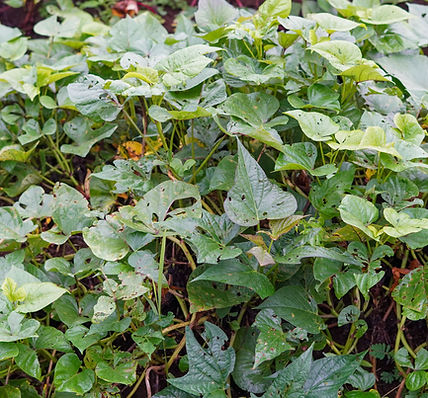
The same infestation beneath a proposed building, road or drainage system may require a very different response.
We therefore assess the full range of treatment options in the context of the project rather than automatically recommending the highest-cost or most disruptive method.
Herbicide Treatment
Herbicide treatment can provide an effective and proportionate option where immediate ground disturbance is not required.
It may be suitable for land held for future development, peripheral areas outside the main construction footprint or parts of a phased development where the programme allows treatment and monitoring to continue over time.
The key design consideration is that the affected area must remain sufficiently undisturbed for the programme to be effective.
The timescale should therefore be coordinated with the wider development programme rather than treated as a separate maintenance activity.
Herbicide treatment is not an instant removal method, but where time and site use allow, it can avoid unnecessary excavation and disposal.
Excavation and Off-Site Disposal
Excavation may be required where the infestation conflicts directly with proposed works and the programme does not allow for a longer treatment approach.
It can provide a faster route to releasing the affected area, but it may also create significant cost, logistical and environmental consequences.
Large volumes of material may need to be excavated, transported, disposed of and replaced. Temporary stockpiles, machine access, vehicle movements and cleaning procedures must also be considered.The impact on the site can extend well beyond the excavation itself.
Architects may need to account for working space, haul routes, backfilling, changes in level and the interaction with neighbouring construction activity.For this reason, excavation should be planned as part of the development strategy rather than left as a reactive site operation.
On-Site Containment and Burial
Where sufficient land is available, affected material may be managed through a controlled on-site solution.
This can reduce off-site disposal and replacement-fill requirements, but the containment area becomes a permanent consideration within the site.
Its position must therefore be coordinated carefully with current and future development.An area that appears available during the first phase may later be required for an extension, utility diversion, drainage work or landscaping alteration.
A successful containment strategy must take account of the full masterplan, maintenance requirements and the possibility of future disturbance.
Root-Barrier Systems
Root barriers can be used to protect structures, development areas, neighbouring land or landscape zones from further rhizome spread.
They are particularly useful where an infestation can be contained without excavating every affected area.
However, barrier design must be coordinated with other elements of the project.
Foundations, retaining walls, drainage, utility trenches, boundaries, paving and changes in level can all affect the practical route of the barrier.
A barrier that cannot be installed continuously or is later breached by another trade will not provide the intended protection.Early coordination is therefore essential.
Integrated Remediation
Many projects benefit from a combination of methods rather than a single approach applied across the whole site.
The main building footprint may require excavation, while peripheral areas are treated with herbicide. Screened soil may be retained for reuse, while concentrated plant material is removed or contained. Root barriers may protect completed works, with monitoring continuing through later phases.
This type of integrated strategy can provide the required programme certainty without incurring the cost and disruption of full off-site disposal across every affected area.
Save Our Soil and Sustainable Soil Reuse
For suitable development sites, Japanese Knotweed Control’s Save Our Soil, or S.O.S., process can substantially reduce the volume of affected material requiring off-site disposal.
Traditional excavation may involve removing every tonne of soil from a defined contamination zone, transporting it to an appropriate facility and importing replacement material.
This can become one of the most expensive and carbon-intensive elements of a remediation project.
S.O.S. takes a different approach.
Specialist knotweed screening machinery processes the excavated soil and separates viable rhizomes and invasive plant material from the reusable soil fraction. The processed soil can then be retained and reused on site where the project conditions and remediation strategy allow.
Depending on the material and site conditions, screening can reduce the volume requiring disposal by up to 95%.
For architects and design teams, the benefits extend beyond the waste bill.
Retaining material on site can reduce lorry movements, lower the demand for imported fill, ease pressure on access routes and provide greater flexibility when coordinating remediation with earthworks and landscaping.
It may also support wider sustainability and carbon-reduction objectives by avoiding unnecessary disposal and quarrying.The method does require suitable working space, machinery access, temporary storage and a clear plan for the future use of processed material.
Assessing suitability early allows these requirements to be incorporated into the site layout and construction sequence.
Biosecurity as Part of the Construction Strategy
Invasive plant species management does not end when the remediation method has been selected.
A project can still create new infestations if affected soil or plant material is moved around the site during construction.
Japanese knotweed rhizomes can be carried in excavator tracks, bucket teeth, tools, footwear, dumpers and stockpiled material. Uncontrolled movement from one part of the development to another may turn a contained problem into multiple areas of contamination.
A project-specific biosecurity plan helps prevent this.
The controls may include clearly marked exclusion zones, separate clean and contaminated routes, inspection points, machinery-cleaning areas, controlled stockpiles, signage and procedures for reporting unexpected growth.
Wash stations may be required where machinery moves in and out of affected areas. These need to be positioned appropriately within the site logistics plan and designed so contaminated wastewater and material are managed correctly.
Biosecurity is especially important on phased developments, where occupied buildings, clean construction areas and remediation activity may operate alongside one another.
It should therefore be considered within the preliminaries, logistics plan and contractor responsibilities rather than left as an informal site instruction.
Toolbox Talks and Site Awareness
Even the best management plan will be ineffective if the people working on the site do not understand it.
Many operatives will recognise the general appearance of mature Japanese knotweed, but they may not identify early shoots, dormant canes, rhizome fragments or other invasive species.
They may also be unaware that moving a small quantity of affected soil, driving through an exclusion zone or washing machinery in the wrong area can compromise the wider strategy.Site-specific toolbox talks provide a practical way to explain the risk.

They can cover the species present, the affected areas, the controls in place, soil-handling requirements, machinery cleaning, reporting procedures and what to do if previously unidentified growth is discovered.
This is particularly valuable where several contractors or subcontractors are working across a large or phased site.
Clear communication reduces the risk of accidental disturbance and gives the principal contractor a stronger basis for managing site responsibilities.
Tender, Specification and Contractor Support
Architects and lead consultants are often expected to coordinate specialist invasive species requirements without enough information to define the scope accurately.
A tender package that simply notes the presence of Japanese knotweed leaves too much room for interpretation.
The specialist requirements should explain what is known, what is proposed, what remains subject to investigation and which party is responsible for each element.We can support the preparation or review of survey information, constraints drawings, management plans, remediation specifications, biosecurity requirements, soil controls, monitoring commitments and specialist method statements.
Where required, we can also liaise with tendering contractors, quantity surveyors, project managers and engineers to clarify the proposed approach.
This helps prevent vague provisional sums, duplicated responsibilities, missing scope and late assumptions that invasive species can be dealt with as part of general clearance.Clear information before appointment creates a much stronger commercial and contractual position for the project team.
Planning, Environmental and Regulatory Considerations
The legal and regulatory position is not identical across England, Scotland, Wales, Northern Ireland and the Republic of Ireland.
Requirements may also vary according to the planning authority, project type, environmental setting and the species involved.
For architects, the important point is that invasive plant species cannot be treated simply as unwanted vegetation.The project may need to consider the risk of spread, waste obligations, planning conditions, herbicide use near water, protected habitats, neighbouring land, disposal routes, long-term monitoring and the records required to demonstrate responsible management.
Our role is to provide the technical survey, management and remediation information needed to support the project.We work alongside the appropriate legal, planning and environmental advisers rather than replacing their respective responsibilities.
This creates a coordinated approach in which the invasive species strategy is technically credible, practically deliverable and appropriately reflected within the wider project documentation.
Projects and Sectors We Support
We support architectural practices and multidisciplinary teams working across residential, commercial, public-sector and infrastructure-related development.
This includes housing schemes, apartment developments, mixed-use regeneration, schools, universities, healthcare facilities, offices, hotels, retail and leisure projects, industrial buildings, logistics facilities, data centres, public realm and brownfield redevelopment.
The service may involve a single early-stage survey, or it may continue through design development, planning, tender, remediation, monitoring and project completion.Our involvement is shaped around the needs of the development rather than forcing every project into the same service package.
Protecting Design Intent, Programme and Budget
The best invasive species strategy is not necessarily the one that removes the greatest amount of soil or carries the highest initial cost.
It is the strategy that provides the required level of certainty while protecting the wider objectives of the project.
Early specialist advice may allow the design team to retain more developable land, reduce disposal volumes, preserve suitable areas for containment and coordinate remediation with enabling works.
It may also prevent avoidable redesign, reduce contractor claims and protect clean parts of the site from accidental contamination.For the client, this provides a clearer route through planning and construction.
For the architect, it means that the remediation strategy is understood, coordinated and capable of being delivered without undermining the design.
Our recommendations are based on how the site will be used, what is being built and how the work will be sequenced, not simply where the plant is currently visible.
Why Architects Work With Japanese Knotweed Control
Architects do not need another generic plant report.They need clear information that can be used within drawings, reports, specifications, programmes, planning submissions, tender documents and design-team discussions.
Japanese Knotweed Control combines specialist invasive species knowledge with practical experience of development and construction sites across the UK and Ireland.We can support a project from initial survey and mapping through to management planning, remediation, biosecurity and monitoring.
This continuity matters.The strategy is not written by one party and left for another contractor to interpret later. The same technical understanding can follow the project from the initial assessment through to delivery on site.
Our wider capabilities include Japanese knotweed and IPS surveying, GPS mapping, constraints reporting, design-stage advice, planning documentation, soil screening, excavation, containment, root barriers, herbicide treatment, biosecurity planning, toolbox talks and long-term monitoring.
Architects and their clients therefore have access to one specialist team capable of advising on the strategy and delivering the work required.
Our Project Process
Initial Review
The process begins with a review of the site and available project information. Architects can send the site address, location plan, proposed layout, photographs, previous surveys, planning-condition wording and any known information about invasive plant species. We will review the material and advise whether a site survey, further investigation or an initial design discussion is the most appropriate next step.
Survey and Mapping
Our specialists inspect the site, identify the species present and map the affected areas. The survey considers visible growth, signs of previous disturbance, neighbouring land and the likely interaction with the proposed development.
Constraints and Options
The findings are translated into practical project information. We explain how the infestation may affect the proposed design and outline the remediation options available, including the likely implications for programme, access, soil movement and future use.
Design-Team Coordination
We work with the architect and relevant consultants to integrate the preferred strategy. This may involve reviewing plans, discussing interfaces with engineering or landscape elements and refining the approach before tender or construction.
Remediation and Biosecurity
Where appointed, we deliver the agreed treatment, excavation, screening, containment or barrier works. Biosecurity controls, site procedures and toolbox talks can also be implemented to protect clean areas and prevent further spread.
Monitoring and Documentation
Where monitoring is required, we continue to inspect and record the site in accordance with the agreed programme. Relevant documentation is then maintained to support the project, client and long-term management requirements.
Speak to an Invasive Plant Species Specialist
If Japanese knotweed or another invasive plant species may affect your project, early specialist input can protect the design, reduce uncertainty and prevent avoidable changes later.
Send us your site plans, existing survey information or planning-condition wording and our technical team will review the project with you.
We support architects and multidisciplinary design teams throughout the UK and Ireland, from initial feasibility and planning through to remediation, monitoring and project completion.